

Документация API
Пошаговый план базовой интеграции
- Зарегистрируйте аккаунт в CryptoScan.
-
Добавьте новый Мерчант.
- Название — название сайта. Это название будут видеть в платежном виджете.
- URL Мерчанта — ссылка на сайт.
- Логотип — будет отображен в платежном виджите.
- Ссылка на WebHook — URL на Ваш обработчик, куда будут поступать сообщения об успешной или просроченной оплате.
- Лимит времени на оплату платежа — Период, в течение которого необходимо завершить платёж. По истечении этого времени платёж получит статус «Просрочен».
После создания Мерчанта — Вам будут доступны ключи для работы с API.
-
Для мерчанта добавьте кошельки, на которые будет приниматься оплата.
- Криптовалюта — цифровой актив, который будет использоваться для приема платежей.
- Сеть — указывает блокчейн-сеть, через которую будут проходить платежи. Например, для USDT доступно несколько сетей: TRC-20 (Tron), ERC-20 (Ethereum).
Адрес кошелька — можете воспользоваться для его создания TronLink, TrustWallet или другой счёт.
Кто платит комиссию сервиса — кто будет оплачивать комиссию CryptoScan: покупатель или Вы.
Количество цифр после запятой — ограничивает длину дробной части числа.
Пример чисел для значения 3:
1.234,0.789,2.345.Пример чисел для значения 5:
1.23456,0.98765,2.34567.
-
Выберите тип аутентификации: по приватном ключу или по подписи.
- Напишите функционал создания платежа в своём приложении. Можете воспользоваться нашим решением для взаимодействия с API. Для создания платежа с нашим виджетом — воспользуйтесь методом API «Создание виджета для Инвойса». Если Вы хотите сделать виджет собственный виджет оплаты — воспользуйтесь «Создание Инвойса».
- Напишите функционал обработчика для WebHook-сообщений.
Готовые решения для интеграции
- CryptoScan PHP Client
- Плагин для XenForo — инструкции в README_*.MD
Основные сведения
Термины
- Пользователь — лицо, которое использует действующую систему для выполнения конкретной функции.
- Мерчант — сайт Пользователя, добавленный в разделе Мерчанты.
- Инвойс — созданный Пользователем запрос на отслеживание платежа в указанной сети и валюте в рамках конкретного Мерчанта.
- Пользователь API — лицо, которое использует API действующей системы для выполнения конкретной функции.
- Плательщик — лицо, которое должно оплатить созданный для него Инвойс.
Запрос
Базовый URL:
https://cryptoscan.one/api/v1
Тело ответа:
success- флаг, в зависимости от успешности запроса - содержит true/falsedata- содержит результат выполнения запроса. При неудачном запросе - возвращает информацию об ошибке
Успешный запрос:
{
    "success": true,
    "data": {
        "property": "value",
        "second_property": "second_value"
    }
}
Запросы с ошибкой:
{
    "success": false,
    "data": {
        "name": "Unauthorized",
        "message" : "Your request was made with invalid credentials",
        "code": 0,
        "status": 401
    }
}
Данный ответ включает перечень ошибок в свойстве errors:
{
    "success": false,
    "data": {
        "message": "Invalid request data",
        "errors": {
            "amount": [
                "Amount cannot be blank."
            ],
            "client_reference_id": [
                "Client Reference Id cannot be blank."
            ]
        }
    }
}
* Параметр message может быть не задан
Аутентификация
Есть два вида аутентификации — по приватному ключу или через подпись запроса. Метод аутентификации переключается в настройках.
Для любого типа аутентификации необходимо передавать публичный ключ Мерчанта в заголовке: public-key.
Аутентификация по приватному ключу
Передайте приватный ключ Мерчанта в HTTP-заголовке private-key.
Данный способ более простой в интеграции, но менее надежный, поскольку приватный ключ необходимо передавать по Сети.
Аутентификация по подписи
- Сгенерируйте подпись на основе тела запроса и приватного ключа Мерчанта
- Передайте подпись через HTTP-заголовок
signature
Данный способ сложнее в интеграции и тестировании, чем по подписи, но более надежный, поскольку приватный ключ не передаётся по Сети.
(!) Относитесь к приватному ключу как к паролю. Не передавайте его третьим лицам.Генерирование подписи
Подпись используется для аутентификации сообщений WebHook и запросов API при аутентификации по подписи. Для этого используется SHA-256 хеширование.
Для создании подписи необходимо, произвести следующие действия над параметрами запроса:
- Отсортировать по индексу в порядке возрастания
- Закодировать в URL-кодировке
- Хэшировать используя алгоритм SHA-256 HMAC, в качестве секретного ключа — использовать приватный ключ Мерчанта
Пример создания подписи на PHP:
$requestBody['api_key'] = $publicKey;
ksort($requestBody);

$signature = hash_hmac('sha256', http_build_query($requestBody), $privateKey);
Чтобы передать подпись в запрос, добавьте её в HTTP-заголовок запроса signature.
В API запрос также передается публичный ключ, по которому система находит Мерчант. После этого с помощью приватного ключа мерчанта, который устанавливает Пользователь API в разделе мерчантов, система хэширует данные тела запроса создавая аналогичную подпись на своей стороне. Если полученная в API запросе подпись идентична подписи сформированной на стороне сервера, значит Пользователь API прошел аутентификацию.
Формат ответа
Доступные форматы: JSON, XML.
Формат определяется в зависимости от содержимого свойства Accept в заголовке
запроса.
Формат для JSON:
Accept: application/json
Формат для XML:
Accept: application/xml
Определить ответ вне зависимости от заголовка можно с помощью GET-параметр _format.
Пример: _format=json
Webhook
Webhook - процедура отправки уведомления на Ваш сервер при наступлении определенного
события с Инвойсом.
После просроченной или успешной оплаты система отправит уведомление на данный URL.
Webhook считается успешно доставленным, если Ваш сервер вернул HTTP-код =
200.
В случае неуспешной доставки, системой предусмотрены повторные отправки WebHook, которые
отправляются со следующими интервалами:
- Запрос №1: сразу после оплаты
- Запрос №2: 30 секунд
- Запрос №3: 2 минуты
- Запрос №4: 10 минут
- Запрос №5: 60 минут
- Запрос №6: 2 часа
- Запрос №7: 4 часа
- Запрос №8: 6 часов
- Запрос №9: 12 часов
- Запрос №10: 24 часа
После 10-го запроса — новые больше не отправляются. Также после успешной доставки — последующие уведомления не отправляются.
Каждый ответ Вашего сервера на Webhook-сообщение сохраняется, и может быть просмотрен в разделе инвойсов. Указан заголовок ответа и его содержимое обрезанное до 5000 символов.
Основная информация
| Метод | POST |
| Формат запроса | application/x-www-form-urlencoded; charset=UTF-8 |
Типы сообщений на WebHook:
event_type—paidretry_count— количество попыток повторной отправки сообщения на WebHook-
dataid— ID платежаwallet— кошелёк, куда нужно произвести оплатуcryptocurrency— код криптовалюты (может бытьnull, если способ оплаты не выбран или включён режим совместимости)network— сеть криптовалюты (может бытьnull, если способ оплаты не выбран или включён режим совместимости)payer_wallet— кошелёк, с которого произведена оплатаtransaction_id— ID транзакции в сети, указанной в инвойсеsource_currency— Валюта, указанная Пользователем (если была передана валюта не USD)source_amount— Сумма в валюте пользователя (если была передана валюта не USD)final_amount— итоговая сумма к оплате (включая "хвост" и комиссию, если её оплачивает покупатель)requested_amount— сумма к оплате запрошенная пользователемstatus— статус платежаclient_reference_id— номер платежа в системе Пользователя API. Должен быть уникальным для каждого Инвойса в рамках Мерчантаmetadata— произвольная строка, указываемая пользователем при создании платежаcreated_at— время создания платежа в unixtimepaid_at— дата обнаружения оплаты в unixtimeexpire_at— время, когда счёт станет просрочен (наша система проверяет платеж в течение срока, установленного в настройках мерчанта — от 15 до 90 минут после создания)
event_type—expiredretry_count— количество попыток повторной отправки сообщения на WebHook-
dataid— ID платежаwallet— кошелёк, куда нужно произвести оплатуcryptocurrency— код криптовалюты (может бытьnull, если способ оплаты не выбран или включён режим совместимости)network— сеть криптовалюты (может бытьnull, если способ оплаты не выбран или включён режим совместимости)final_amount— итоговая сумма к оплате (включая "хвост" и комиссию, если её оплачивает покупатель)requested_amount— сумма к оплате запрошенная пользователемstatus— статус платежаclient_reference_id— номер платежа в системе Пользователя API. Должен быть уникальным для каждого Инвойса в рамках Мерчантаmetadata— произвольная строка, указываемая пользователем при создании платежаcreated_at— время создания платежа в unixtimeexpire_at— время, когда счёт станет просрочен (помните, наша система проверяет платеж в течение срока, установленного в настройках мерчанта — от 15 до 90 минут после создания)
event_type—paid_manually- возникает при ручном подтверждении инвойсаretry_count— количество попыток повторной отправки сообщения на WebHook-
dataid— ID платежаwallet— кошелёк, куда нужно произвести оплатуcryptocurrency— код криптовалюты (может бытьnull, если способ оплаты не выбран или включён режим совместимости)network— сеть криптовалюты (может бытьnull, если способ оплаты не выбран или включён режим совместимости)final_amount— итоговая сумма к оплате (включая "хвост" и комиссию, если её оплачивает покупатель)requested_amount— сумма к оплате запрошенная пользователемstatus— статус платежаclient_reference_id— номер платежа в системе Пользователя API. Должен быть уникальным для каждого Инвойса в рамках Мерчантаmetadata— произвольная строка, указываемая пользователем при создании платежаcreated_at— время создания платежа в unixtimeexpire_at— время, когда счёт станет просрочен (наша система проверяет платеж в течение срока, установленного в настройках мерчанта — от 15 до 90 минут после создания)
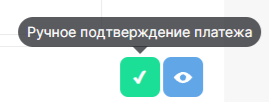
Ручное проведение платежа доступно в личном кабинете пользователя. Для этого:
- перейдите по ссылке
- в списке инвойсов найдите нужный платеж
- нажмите на кнопку "Ручное проведение платежа"
event_type—cancelledretry_count— количество попыток повторной отправки сообщения на WebHook-
dataid— ID платежаwallet— кошелёк, куда нужно произвести оплатуcryptocurrency— код криптовалюты (может бытьnull, если способ оплаты не выбран или включён режим совместимости)network— сеть криптовалюты (может бытьnull, если способ оплаты не выбран или включён режим совместимости)final_amount— итоговая сумма к оплате (включая "хвост" и комиссию, если её оплачивает покупатель)requested_amount— сумма к оплате запрошенная пользователемstatus— статус платежаclient_reference_id— номер платежа в системе Пользователя API. Должен быть уникальным для каждого Инвойса в рамках Мерчантаmetadata— произвольная строка, указываемая пользователем при создании платежаcreated_at— время создания платежа в unixtimeexpire_at— время, когда счёт станет просрочен (наша система проверяет платеж в течение срока, установленного в настройках мерчанта — от 15 до 90 минут после создания)
Создание Инвойса
Создаёт запрос на отслеживание транзакции.
(!) Используя этот метод API, Пользователю API необходимо самостоятельно вывести данные для Плательщика: реквизиты, сумму, срок оплаты. Если Вы не хотите делать собственный платежный виджет — воспользуйтесь нашим.
(!) Если параметры cryptocurrency и network не указаны, по умолчанию будут использованы значения USDT/TRC-20.
Если такого кошелька нет или он неактивен будет возвращена ошибка.
Основная информация
| Метод | POST invoice |
| Пример URL | https://cryptoscan.one/api/v1/invoice |
Параметры запроса
| Имя параметра | Тип данных | Обязательно | Описание |
|---|---|---|---|
| amount | float | + | Сумма к оплате |
| currency | string | Валюта суммы к оплате, которую указал Пользователь. Если этот параметр не задан, по умолчанию считается, что сумма в долларах США. Узнать доступные валюты и их курсы вы можете в разделе Валютный курс. | |
| cryptocurrency | string |
Криптовалюта, в которой должен быть произведён платёж по счёту. При указании данного параметра необходимо также указать параметр network. Доступные значения:
|
|
| network | string |
Сеть (Blockchain), в которой должен быть проведён платёж. При указании данного параметра необходимо также указать параметр cryptocurrency. Доступные значения:
|
|
| client_reference_id | string | + | Номер платежа в системе Пользователя API. Должен быть уникальным для каждого Инвойса в рамках Мерчанта. |
| metadata | string | Произвольная строка до 2000 символов |
Параметры ответа:
| Возвращает |
Объект инвойса:
|
Пример ответа:
{
    "success": true,
    "data": {
        "id": "12589",
        "final_amount": "125.69",
        "cryptocurrency": "USDT",
        "network": "TRC-20",
        "wallet": "TNVq3iEcaGWbbsR34MTdg1JMTxvYFU8Qir",
        "expire_at": "1677422490",
    }
}
Создание Виджета для Инвойса
Кроме создание инвойса на оплату, данный запрос создает страницу с виджетом и возвращает URL на неё. Перейдя на эту страницу, Плательщик сможет произвести оплату.
Пример виджета можно посмотреть на странице
(!) Для старых интеграций по умолчанию используется режим «Приём только USDT TRC-20», сохраняющий 100%-ную обратную совместимость.
При отключении данного режима в ответе API будут отсутствовать поля wallet и final_amount.
Перед отключением режима интеграция должна быть адаптирована разработчиками для корректной обработки новых условий мультивалютности.
Основная информация
| Метод | POST invoice/widget |
| Пример URL | https://cryptoscan.one/api/v1/invoice/widget |
Параметры запроса
| Имя параметра | Тип данных | Обязательно | Описание |
|---|---|---|---|
| amount | float | + | Сумма платежа |
| currency | string | Валюта суммы платежа, которую указал Пользователь. Если этот параметр не задан, по умолчанию считается, что сумма в долларах США. | |
| client_reference_id | string | + | Номер платежа в системе Пользователя API. Должен быть уникальным для каждого Инвойса в рамках Мерчанта. |
| widget_description | string | Описание, которое увидит Плательщик на странице оплаты до 100 символов | |
| metadata | string | Произвольная строка, указываемая пользователем при создании платежа | |
| back_url | string | URL, куда перекинет пользователя после оплаты | |
| cancel_url | string | URL, куда перекинет пользователя в случае отмены оплаты | |
| lang | string | Язык виджета (ru-RU, en-US, de-DE, es-ES, fr-FR) |
Параметры ответа:
| Возвращает |
Объект виджета инвойса:
|
Пример ответа:
{
    "success": true,
    "data": {
        "id": "523654",
        "expire_at": "1677422490",
        "widget_url": "https://cryptoscan.one/payment/69908b3b-ac70-4652-9ca2-877e348a2dbe"
    }
}
Ответ для мерчанта в режиме «Приём только USDT TRC-20»
{
    "success": true,
    "data": {
        "id": "523654",
        "final_amount": "133.23",
        "cryptocurrency": "USDT",
        "network": "TRC-20",
        "wallet": "TNVq3iEcaGWbbsR34MTdg1JMTxvYFU8Qir",
        "expire_at": "1677422490",
        "widget_url": "https://cryptoscan.one/payment/69908b3b-ac70-4652-9ca2-877e348a2dbe"
    }
}
Просмотр Инвойса
Основная информация
| Метод | GET invoice |
| Пример URL | https://cryptoscan.one/api/v1/invoice/1 |
Параметры запроса
| Имя параметра | Тип данных | Обязательно | Описание |
|---|---|---|---|
| id | integer | + | ID инвойса |
Параметры ответа:
| Возвращает |
Объект инвойса:
|
Пример ответа:
{
    "success": true,
    "data": {
        "id": 32,
        "cryptocurrency": "USDT",
        "network": "TRC-20",
        "wallet": "TBjkHCYgMb1ohJq77aovAyw4kCMtBEtMGN",
        "payer_wallet": null,
        "transaction_id": null,
        "final_amount": 10.54,
        "requested_amount": "10.54",
        "status": "completed",
        "client_reference_id": "287",
        "metadata": null,
        "created_at": 1678991717,
        "paid_at": null,
        "expire_at": 1678993517
    }
}
Поиск Инвойса
Основная информация
| Метод | GET invoice |
| Пример URL | https://cryptoscan.one/api/v1/invoice?query=123456789 |
Параметры запроса
| Имя параметра | Тип данных | Обязательно | Описание |
|---|---|---|---|
| query | string | + |
Значение для поиска инвойсов.
Поиск указанного значения будет произведен в следующих полях:
|
Параметры ответа:
| Возвращает |
Массив объектов инвойса:
|
Пример ответа:
{
  "success": true,
  "data": {
    [
        {
            "id": 36,
            "cryptocurrency": "USDT",
            "network": "TRC-20",
            "wallet": "TNVq3iEcaGWbbsR34MTdg1JMTxvYFU8Qir",
            "payer_wallet": "TNVq3iEcaGWbbsR34MTdg1JMTxvYFU8Qir",
            "transaction_id": "1234567890",
            "final_amount": 6.5,
            "requested_amount": "6.50000000",
            "status": "new",
            "client_reference_id": "539",
            "metadata": null,
            "created_at": 1679584937,
            "paid_at": 1679585937,
            "expire_at": 1679586737
        }
    ]
  }
}
Ручное подтверждение платежа
Основная информация
| Метод | PUT invoice/confirm |
| Пример URL | https://cryptoscan.one/api/v1/invoice/confirm/1 |
Параметры запроса
| Имя параметра | Тип данных | Обязательно | Описание |
|---|---|---|---|
| id | integer | + | ID инвойса |
| transactionId | string | + | ID транзакции в сети, указанной в инвойсе |
Параметры ответа:
| Возвращает |
Объект инвойса:
|
Пример ответа:
{
    "success": true,
    "data": {
        "id": 124,
        "wallet": null,
        "payer_wallet": "TQ5XWv7zBc9eK8yN2mQ3pR1dL4jG6fDs9x",
        "transaction_id": "b3a76a538701fd4e2a25ad9aac777f841a49f4d0",
        "source_currency": "EUR",
        "source_amount": "45.74900000",
        "final_amount": 53.8053,
        "requested_amount": 53.80526186,
        "status": "paid_manually",
        "client_reference_id": "aic03vWcrY",
        "metadata": null,
        "created_at": 1751628388,
        "paid_at": 1751890648,
        "expire_at": 1751631088
    }
}
Просмотр информации о пользователе (себе)
Информация
| Метод | GET user |
| Пример URL | https://cryptoscan.one/api/v1/user |
Параметры ответа:
| Возвращает |
Объект данных о пользователе (себе):
|
Пример ответа:
{
    "success": true,
    "data": {
        "id": 2,
        "status": "Active",
        "balance": 85.00,
        "currency": "USD"
    }
}
Поддерживаемые валюты
Информация
| Метод | GET currency-rate |
| Пример URL | https://cryptoscan.one/api/v1/currency-rate |
Параметры ответа:
| Возвращает |
Массив объектов валютных курсов:
Пример ответа:
    {
        "success": true,
        "data": [
            {
                "currency": "BYN",
                "rate": 2.52334,
                "status": "enabled"
            },
            {
                "currency": "EUR",
                "rate": 0.93574,
                "status": "enabled"
            },
            {
                "currency": "GBP",
                "rate": 0.80534,
                "status": "disabled"
            }
        ]
    }
|
Проверка доступности валюты
Информация
| Метод | GET currency-rate/status |
| Пример URL | https://cryptoscan.one/api/v1/currency-rate/GBP/status |
Параметры запроса
| Имя параметра | Тип данных | Обязательно | Описание |
|---|---|---|---|
| currency | string | + |
Код валюты в стандарте ISO 4217, которая будет проверена на доступность, например: EUR
|
Параметры ответа:
| Возвращает |
Статус валютного курса:
|
Пример ответа:
{
    "success": true,
    "data": {
        "status": "enabled",
        "rate": 0.93574
    }
}